
Making a Small Home Feel More Spacious
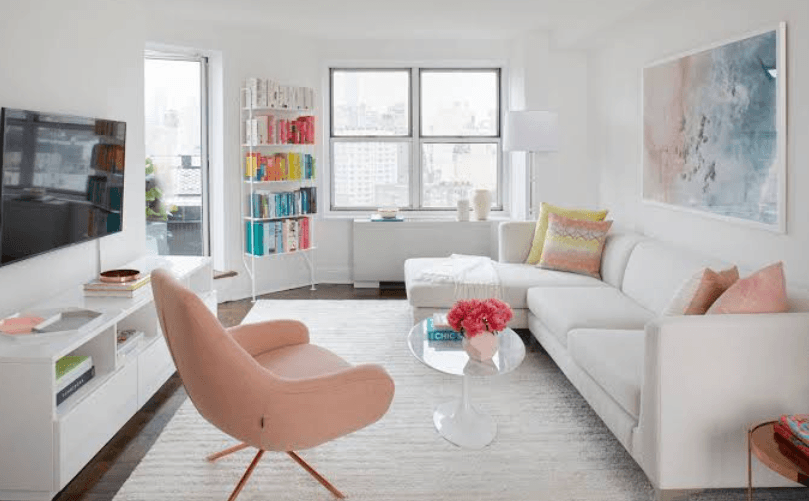
Understand How Space Is Being Used
A small home does not necessarily have to feel cramped. In many cases, the sense of limited space comes from poor organization, oversized furniture, or too many objects occupying visible surfaces.
The first step is to examine how each area is being used. Some rooms may contain furniture that is rarely used, while other spaces may lack practical storage. Removing unnecessary items can immediately make a home feel more open.
Decluttering does not mean getting rid of everything. It means deciding which possessions genuinely serve a purpose or add value to the home. Keeping frequently used items accessible while storing occasional-use belongings can improve both appearance and function.
Choose Furniture Carefully
Furniture has a major impact on how spacious a room feels. Large pieces can dominate a small area and make movement difficult. Choosing furniture that fits the dimensions of the room can create better circulation.
Multifunctional pieces are particularly helpful in compact homes. A sofa bed can provide seating and sleeping space, while an expandable dining table can remain compact during ordinary days and provide additional capacity when guests arrive.
Furniture with visible legs can sometimes create a more open visual effect because more of the floor remains visible. Wall-mounted shelves and cabinets can also free up valuable floor space.
The objective is not to fill every available area. Leaving some open space can make a room feel calmer and easier to navigate.
See also: thealitekeepsafe.com
Use Light and Color Strategically
Color can influence how people perceive a room. Lighter shades can reflect more available light and create an airy appearance. This does not mean every small room needs to be completely white. Soft neutral colors, pale greens, gentle blues, or other light shades can create a similar sense of openness.
Natural light is equally important. Avoid placing unnecessary objects directly in front of windows. Light-colored curtains or blinds can provide privacy while allowing daylight into the room.
Mirrors can also be used thoughtfully. A strategically positioned mirror can reflect light and create the visual impression of additional depth. It works best when it reflects an attractive or useful part of the room rather than clutter.
Make Vertical Space Useful
When floor area is limited, walls become valuable storage and display surfaces. Tall shelving units can use vertical space without requiring a large footprint.
Wall-mounted hooks can hold coats, bags, kitchen utensils, or accessories. In bedrooms, vertical storage can help keep clothing and personal items organized.
However, vertical storage should also be planned carefully. Covering every wall with shelves can create a crowded appearance. Combining open and closed storage can provide a better balance between display and organization.
Doors can sometimes provide additional storage opportunities. Hanging organizers can hold small items in places that might otherwise remain unused.
Keep Visual Clutter Under Control
A small home can feel significantly larger when surfaces remain organized. Kitchen counters, coffee tables, desks, and bathroom surfaces often become collection points for everyday objects.
Creating a designated place for frequently used items can make tidying easier. Storage boxes, baskets, trays, and drawer organizers can help group similar belongings together.
Decorations should also be selected intentionally. A few meaningful pieces can have more visual impact than a large collection of unrelated objects.
Making a small home feel spacious is ultimately about using available space intelligently. Through appropriate furniture, better storage, thoughtful lighting, and controlled clutter, homeowners can create rooms that feel comfortable, functional, and visually open without physically expanding the building.
One Comment