
The Growing Role of Artificial Intelligence in Modern Workplaces
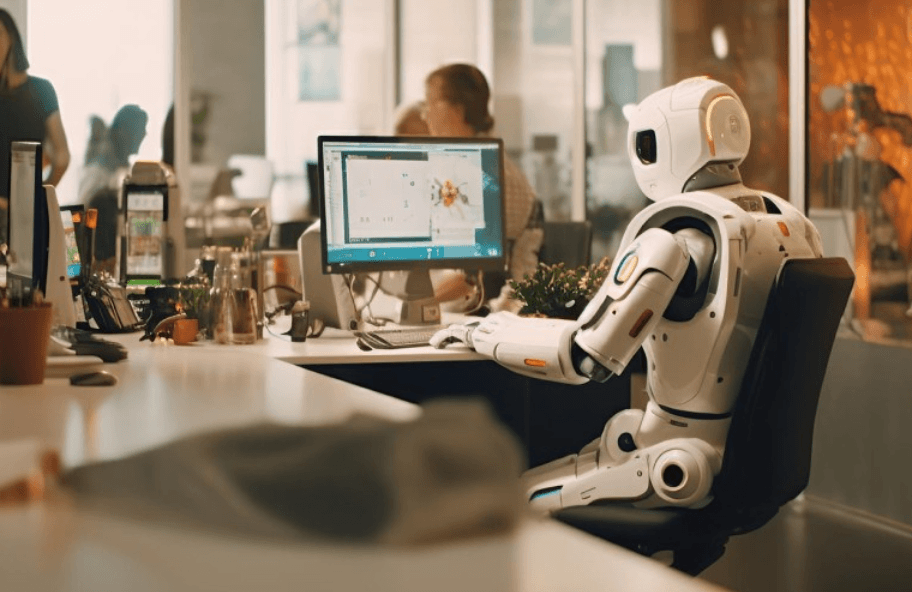
AI Is Becoming Part of Everyday Work
Artificial intelligence has moved from a specialized technology into many ordinary workplace activities. Businesses now use AI-based tools for tasks involving communication, data analysis, customer support, content creation, scheduling, software development, and document processing.
The technology is not limited to large technology companies. Smaller organizations are also exploring ways to use automated systems to save time and handle repetitive tasks.
AI does not necessarily replace an entire job or profession. In many situations, it can function as an additional tool that helps employees complete specific parts of their work.
The value of AI therefore depends heavily on how organizations implement it and how employees verify its output.
Automating Repetitive Responsibilities
Many workplace tasks involve repeated actions. Employees may need to organize information, summarize documents, categorize requests, create routine reports, or respond to common questions.
AI systems can assist with some of these activities, potentially allowing employees to spend more time on tasks that require judgment, communication, creativity, or specialized knowledge.
For example, an organization might use an AI-powered system to classify customer inquiries before sending them to the appropriate department. Another business may use automated tools to identify patterns in large datasets.
Automation can reduce manual effort, but it should not automatically be treated as error-free. Employees still need to review important outputs and ensure that automated systems are being used appropriately.
See also: thealitekeepsafe.com
Supporting Creativity and Problem-Solving
AI tools can also support creative and analytical work. Writers may use them for brainstorming, researchers may use them to organize information, and developers may use AI-assisted systems while writing or reviewing code.
The human role remains important because AI-generated material can contain errors, incomplete reasoning, or inappropriate assumptions.
A useful workflow may involve using AI to generate initial ideas and then applying human expertise to evaluate, revise, and improve the result.
This approach treats AI as a tool rather than an independent decision-maker.
Protecting Information and Privacy
Introducing AI into the workplace creates important questions about data security. Employees may handle customer information, financial records, internal documents, intellectual property, or confidential business information.
Before using an AI service, organizations should understand how submitted information is handled and what controls are available. Employees should follow company policies regarding confidential information and approved software.
Access controls, authentication, data classification, and regular security training can also help reduce unnecessary risks.
Organizations should be especially careful when AI systems are connected to internal databases or business applications.
Preparing Employees for an AI-Enabled Workplace
Technology changes quickly, and employees may need new skills to work effectively with AI systems. Training can help workers understand what AI tools can do, where they may fail, and how their output should be reviewed.
Critical thinking becomes especially important. Employees need to distinguish between information that has been verified and content that merely appears convincing.
Businesses can also establish clear guidelines covering acceptable AI use, data handling, review requirements, and accountability.
Artificial intelligence is becoming another layer of workplace technology. Its long-term value will depend not only on the capabilities of the tools but also on how thoughtfully people use them. Organizations that combine automation with human judgment, appropriate security practices, and employee training can make AI a more useful part of modern work.
One Comment